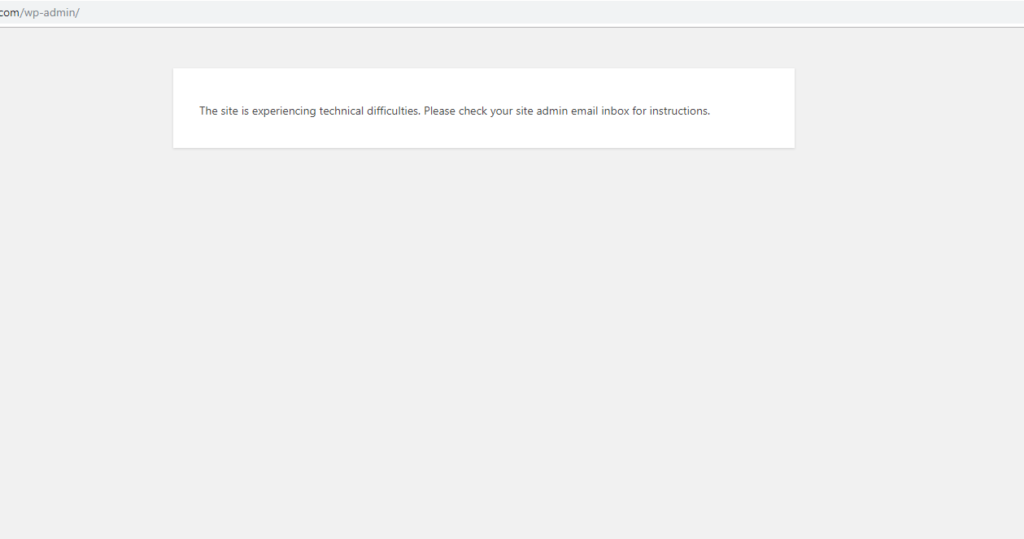
The “This Site is Experiencing Technical Difficulties” message in WordPress typically occurs when there is an issue with your site’s configuration or code, often due to a plugin, theme, or PHP error. Here’s why this might happen and how to approach fixing it:
Common Causes:
- Plugin or Theme Conflict: A newly installed or updated plugin/theme could be causing a conflict, preventing your site from loading correctly.
- PHP Errors: If there are issues with the PHP code (e.g., outdated PHP version or coding errors), it can lead to this problem.
- Server Issues: Sometimes, server configuration issues or resource limits (like memory) can trigger this error.
- Corrupted .htaccess File: A corrupted .htaccess file can break the site’s functionality.
How to Fix Technical Difficulties Errors in WordPress (Simple Guide)
- Enable Debugging:
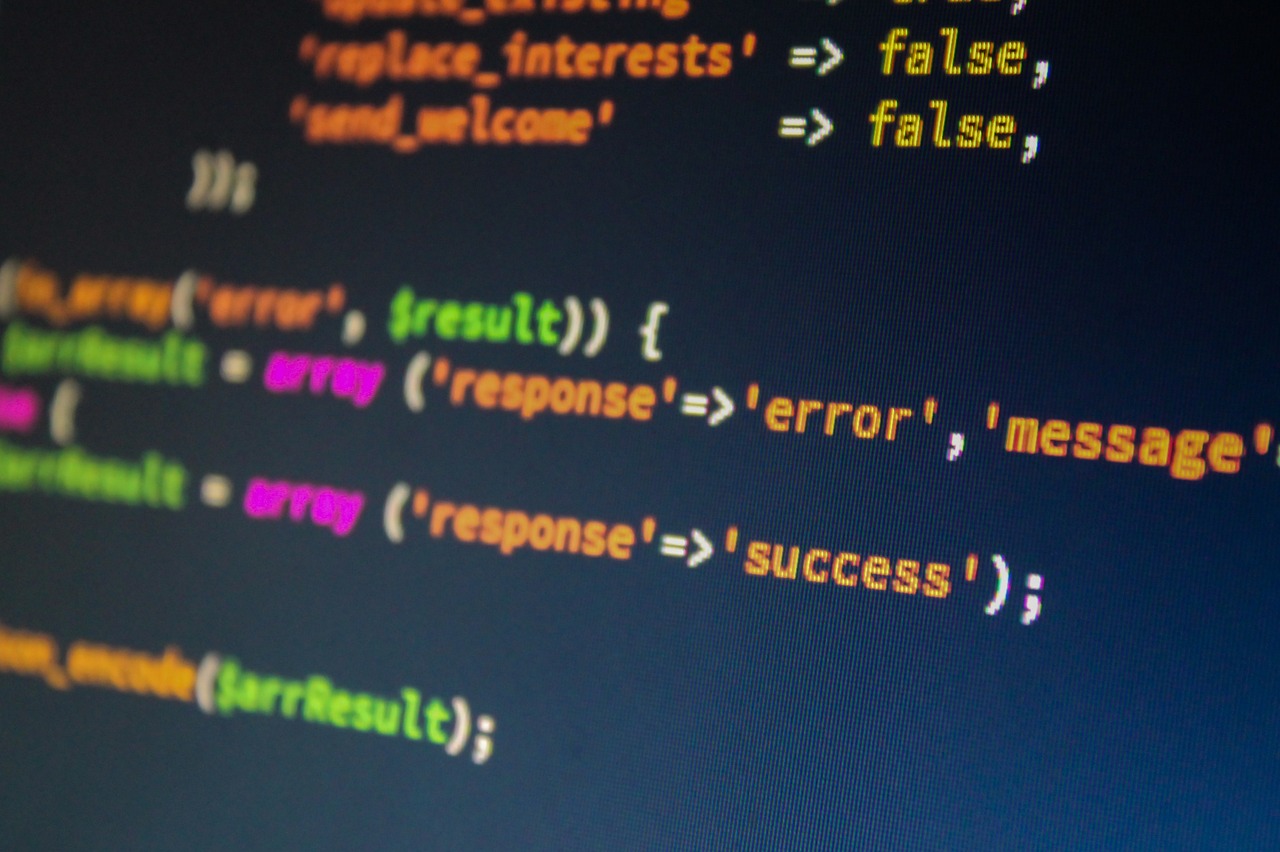
- Add the following code to your wp-config.php file to enable WordPress debugging. It helps to identify the root cause of the issue.
define( ‘WP_DEBUG’, true );
define( ‘WP_DEBUG_LOG’, true );
define( ‘WP_DEBUG_DISPLAY’, false );This will create a debug.log file inside the wp-content folder, which can tell you where the error is happening.
- Deactivate Plugins:
-
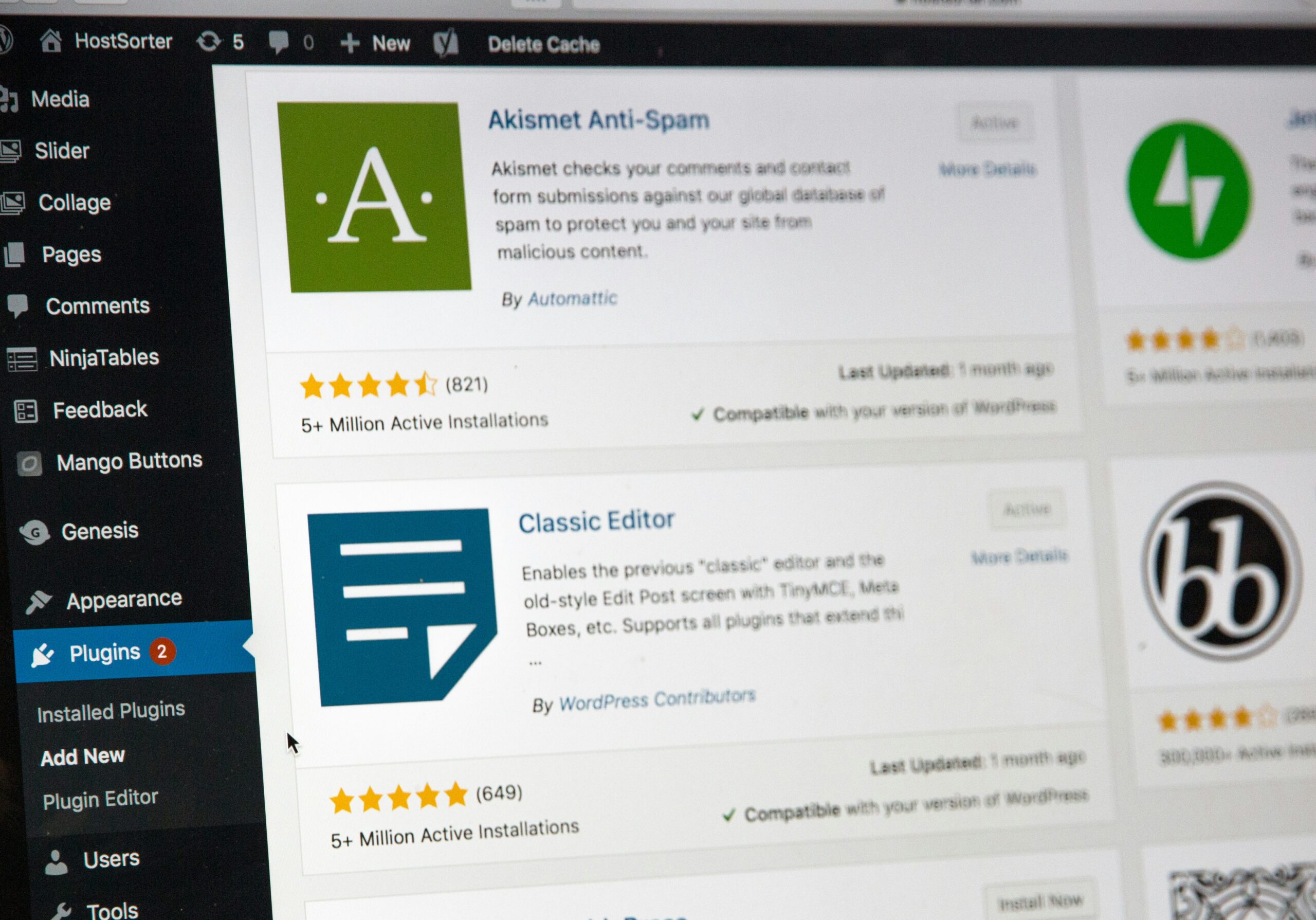
- Manually deactivate plugins via FTP or your hosting file manager. Go to the <wp-content/plugins/directory and rename the folder for each plugin (e.g., plugin-name to plugin-name-old). This will deactivate them.
- If the site comes back up, reactivate each plugin one by one to find the culprit.
-
- Switch to a Default Theme:
- Sometimes, the issue lies with the active theme. Try switching to a default WordPress theme (like Twenty Twenty-One).
- You can do this from the WordPress admin area, or if you can’t access the admin, rename your current theme folder via FTP, and WordPress will revert to a default theme.
- Increase PHP Memory Limit:
- Sometimes, the error is due to insufficient memory. You can try increasing your PHP memory limit by adding this to your wp-config.php file:
define(‘WP_MEMORY_LIMIT’, ‘256M’); - Check the .htaccess File:
- Rename your .htaccess file to something like .htaccess_old and then try to load the site again.
- If the site works, go to the WordPress admin dashboard, go to Settings > Permalinks, and click Save Changes to regenerate a fresh .htaccess file.
- Check Server Logs:
- If you have access to server logs (via cPanel or hosting support), check them for any error messages that could point to the issue.