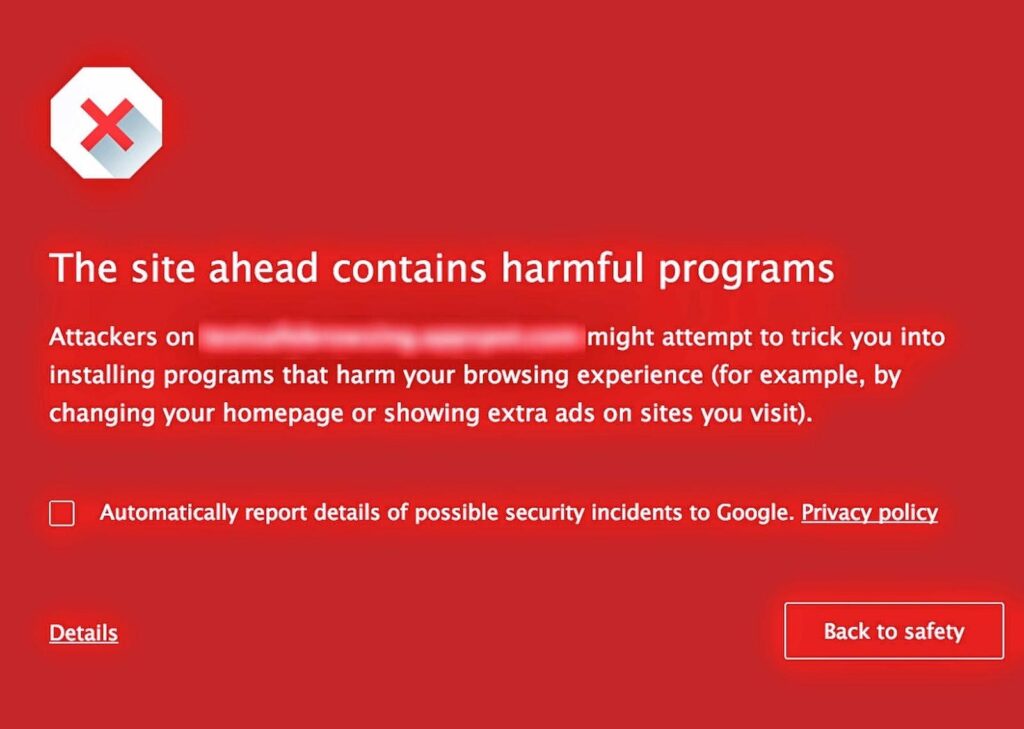
Understanding the Risks: Common Threats to Website Security
Website security is paramount in an increasingly digital world, with various threats that can significantly compromise both the site’s integrity and its users’ sensitive information. One of the most prevalent risks is malware attacks, where malicious software is injected into a website to disrupt its operations or harvest user data. These attacks can lead to devastating consequences, including degradation of website performance and loss of customer trust.
Phishing is another significant threat to website security. This involves attackers creating deceptive websites or emails that trick users into providing personal information, such as passwords or credit card numbers. The repercussions for website owners can be severe, as a successful phishing attack can not only lead to loss of user data but also damage the site’s reputation, resulting in a decline in traffic and revenue.
Distributed Denial of Service (DDoS) attacks serve as a further risk to website security by overwhelming a site with traffic, rendering it inaccessible to legitimate users. These attacks can occur for various reasons, from competitive sabotage to extortion, thereby highlighting the need for effective mitigation strategies. Additionally, SQL injection attacks exploit vulnerabilities in a website’s database through the execution of malicious SQL code, enabling attackers to access or manipulate sensitive data stored within the database.
The implications of these threats extend beyond the immediate technical issues they cause; they can compromise user trust and lead to considerable legal liabilities for website owners. As such, understanding these common threats is crucial for any business or individual operating online. Creating awareness of these risks can help foster proactive measures, ensuring that necessary protocols are in place to safeguard website security and protect user data from potential harm.
Best Practices for Securing Your Website
Ensuring robust website security is a critical aspect of maintaining a trustworthy online presence. Implementing best practices plays an essential role in safeguarding your digital assets from potential vulnerabilities and cyber threats. Here are some fundamental measures that every website owner should consider.
Firstly, regular software updates are paramount. This includes not only the content management system (CMS) but also all plugins, themes, and any scripts in use. Keeping software up to date helps patch known vulnerabilities that could be exploited by malicious actors. Set up automated updates if possible, as this ensures that your software is always current without the need for manual intervention.
Secondly, strong password policies cannot be overstated. Passwords should be lengthy, complex, and unique for each user account. Encourage the use of password managers to create and store strong passwords securely. Implementing two-factor authentication (2FA) adds an additional security layer, making it significantly harder for unauthorized individuals to gain access.
To further enhance website security, the use of HTTPS is vital. By acquiring an SSL certificate, you encrypt the data transmitted between the server and the user’s browser, protecting sensitive information from eavesdropping. This not only boosts security but also improves user trust, as visitors are increasingly aware of secure browsing practices.
Firewalls serve as another essential barrier to potential threats. Both application-level firewalls and network firewalls can filter incoming traffic and block harmful requests before they even reach your website. Additionally, employing security plugins can help identify vulnerabilities, monitor for suspicious activity, and provide alerts when something unusual occurs.
By implementing these best practices, website owners can significantly bolster their security posture. Each measure contributes to a layered security strategy that can help mitigate risks and protect against ever-evolving threats in the digital landscape.
The Role of Monitoring and Maintenance in Website Security
Continuous monitoring and maintenance play a critical role in ensuring website security, providing a proactive approach to safeguarding digital assets. The dynamic nature of cyber threats demands that website owners remain vigilant, recognizing that security is not merely a one-time setup but an ongoing process. By embracing a cycle of regular oversight, vulnerabilities can be addressed before they escalate into significant security breaches.
One of the foundational elements of website security is conducting regular security audits. These audits help in identifying existing weaknesses in the system architecture and software applications. Comprehensive audits should involve an appraisal of security policies, access controls, and the effectiveness of existing security tools. Furthermore, vulnerability assessments should be included to investigate the website for potential entry points or flaws that could be exploited by malicious actors. The nature of these assessments allows for timely updates and patches, which are essential in maintaining a secure environment.
Additionally, organizations often leverage website monitoring tools that provide real-time insights into their security status. These tools can alert administrators to suspicious activities, unauthorized access attempts, or other anomalies that may indicate an underlying issue. By integrating automated monitoring solutions, businesses can enhance their responsiveness to threats, ensuring quick remediation efforts that mitigate potential damage.
It is essential for website owners to establish a routine for reviewing and updating security measures. This includes keeping software up to date and addressing any known vulnerabilities. With cyber threats evolving continuously, being proactive about maintenance prevents complacency and helps fortify defenses against cybercriminals. Ultimately, by prioritizing consistent monitoring and maintenance, organizations can create a robust framework for website security that adapts to emerging threats and secures sensitive information effectively.
Responding to Website Security Incidents: A Step-by-Step Guide
In the unfortunate event of a security breach, it is crucial for website owners to respond swiftly and effectively to mitigate further damage. The first step in this process is identifying indicators of compromise. Common signs may include unusual traffic patterns, unexpected changes in website content, or alerts from security tools. Utilizing log analysis tools and monitoring user activity can significantly aid in pinpointing the source of the breach.
Once a potential security incident has been identified, the next critical step is to contain the breach. This may involve temporarily taking the website offline to prevent unauthorized access or isolating affected systems. It is essential to act quickly to limit the extent of the compromise, as delaying action can exacerbate the damage. This initial containment phase is vital to curbing any ongoing threats while a thorough investigation is conducted.
After containing the breach, website owners must assess the damage. This assessment includes understanding what information was compromised, the methods used by the attacker, and the extent of the impact on normal operations. Damage assessment not only provides insight into the breach itself but also informs the recovery process.
Notifying affected parties is an essential aspect of responding to security incidents. Transparency is key; informing users whose data may have been compromised not only complies with various legal requirements but also cultivates trust between the website owner and its users. Following this, it is imperative to restore the website back to normal operation, including implementing any necessary patches or updates to prevent future incidents.
Finally, conducting a post-incident review is essential. This analysis allows organizations to reflect on what went wrong, identify vulnerabilities within their website security, and develop strategies for improvement. Engaging in continuous learning from incidents is critical to bolster defenses against future threats, ensuring the website remains secure and trustworthy.